





7 Signs Your Garage Door Needs Repair | Paradise Garage Doors
7 Signs Your Garage Door Needs Repair (Before It Stops Working)
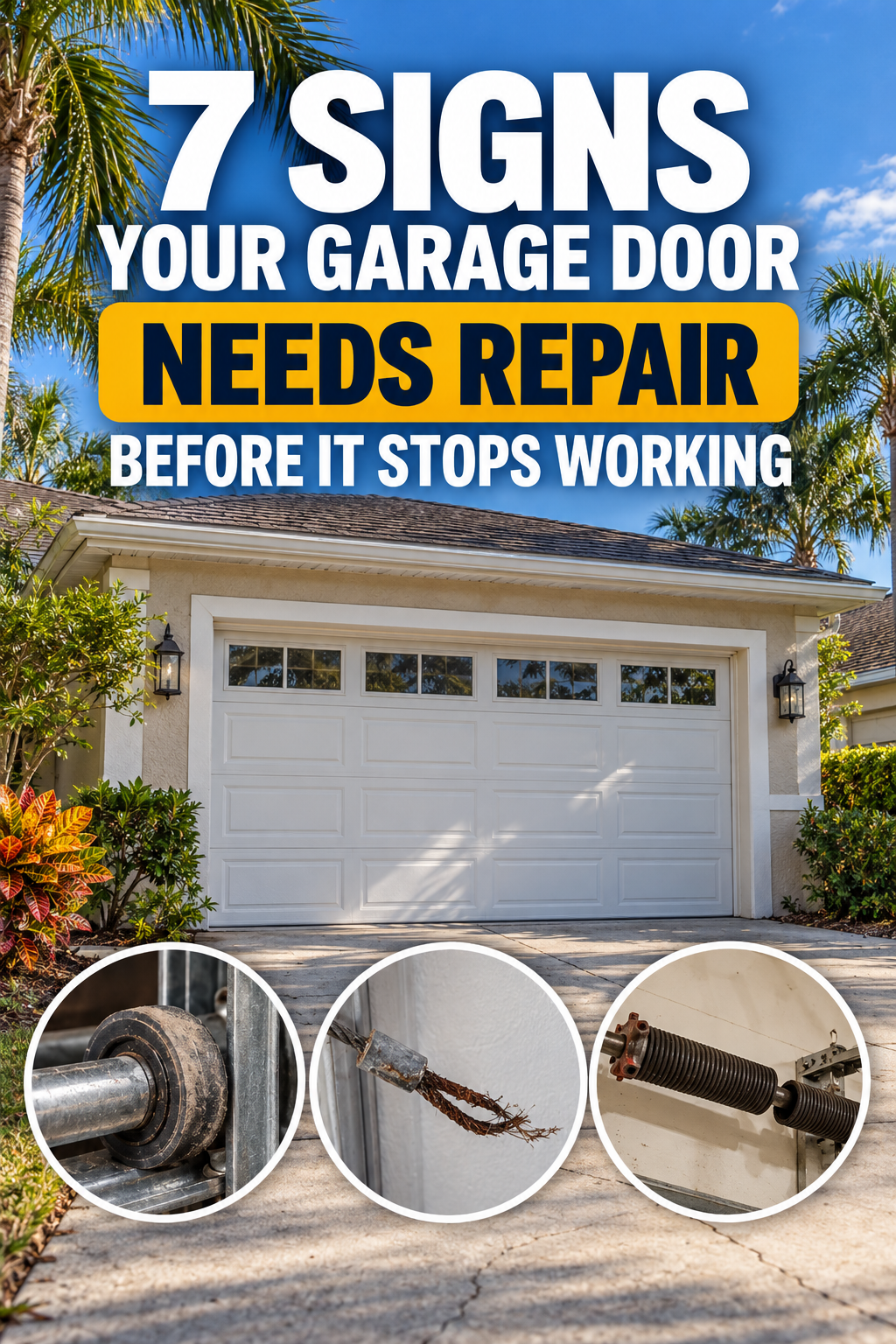
Quick answer: The most common signs your garage door needs repair are new or louder noises, shaking or jerking, slow opening, one side sitting higher than the other, frayed or rusty cables, a door that feels off-balance, and needing repairs more and more often. Catching these early usually means a smaller, less expensive fix.
Garage doors rarely fail without warning. Most give you signs days, weeks or even months ahead. Because you use your door every day, those small changes are easy to miss, until the door won't open with your car stuck inside.
Here's what to watch for, what each sign usually means, and when to call a professional.
1. Why Is My Garage Door Suddenly So Loud?
A garage door that's louder than usual is often a sign of worn rollers, loose hardware, dry parts, track problems, spring trouble or an aging opener.
No garage door is silent. What matters is a change in sound. Grinding, squeaking, rattling, scraping or popping means something isn't working the way it should. If your door suddenly sounds different, have it checked rather than waiting it out.
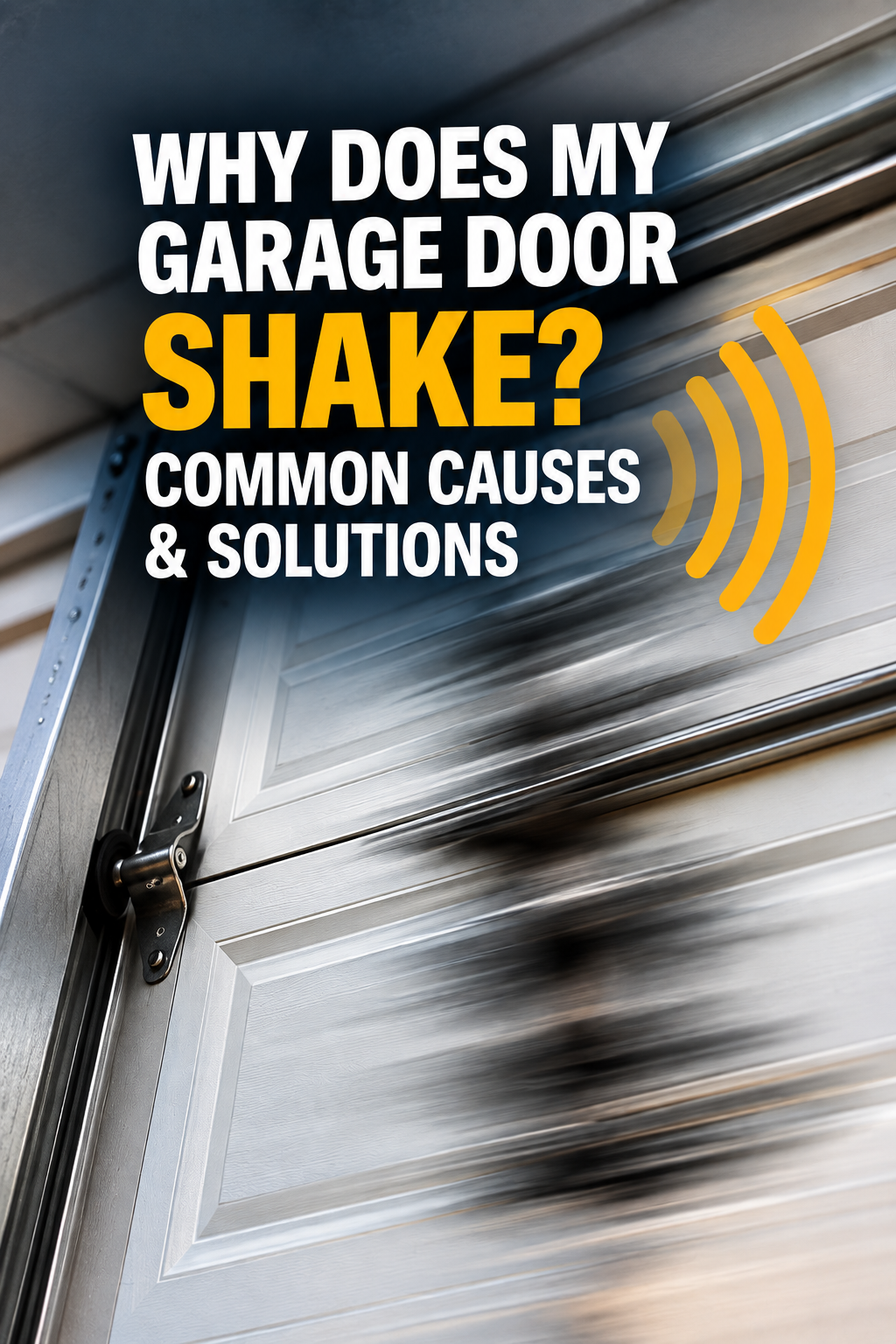
2. Why Does My Garage Door Shake or Jerk?
Shaking or jerking usually points to worn rollers, loose hardware, bent tracks or a spring problem.
A healthy door glides fairly smoothly along its tracks. A little vibration is normal; heavy wobbling is not. The longer rough movement goes on, the more wear it puts on everything else.
3. Why Is My Garage Door Opening So Slowly?
A slow garage door can be an opener issue, but it often means something in the door itself is adding resistance.
If the opener sounds like it's straining, don't assume the motor is the problem. The springs, rollers and tracks should be inspected too. Replacing the opener alone won't help if the door is the real issue.
4. Why Is My Garage Door Uneven?
An uneven garage door is usually caused by a cable, spring or track problem.
Stand inside your garage and watch the door open. Does one side rise faster? Does the bottom edge look crooked when closed? These parts are under extreme tension, so never try to straighten or adjust them yourself.
5. What Do Frayed Garage Door Cables Mean?
Frayed, rusty or slack cables mean the cable is wearing out and needs professional attention soon.
Cables help control how your door moves. Look at them now and then, but don't touch them. Broken strands, rust or slack are not "someday" problems.
6. How Do I Know If My Garage Door Is Off-Balance?
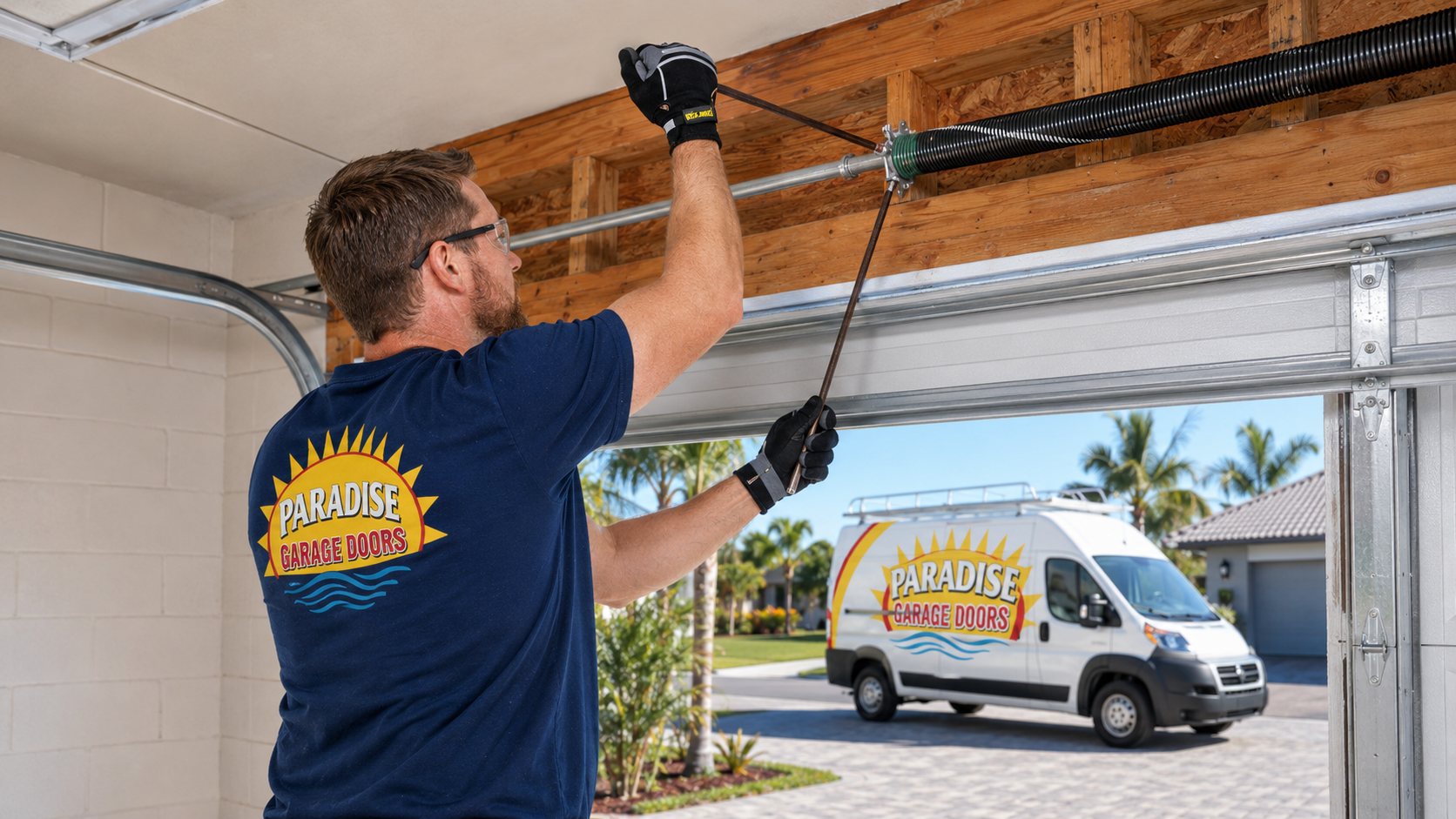
A garage door is off-balance when the springs are no longer carrying their share of the door's weight, forcing the opener to work harder.
Signs include the door drifting up or down on its own, moving unevenly, or the opener sounding strained. An off-balance door wears out the opener faster. Balance testing and spring adjustment should always be done by a trained technician.
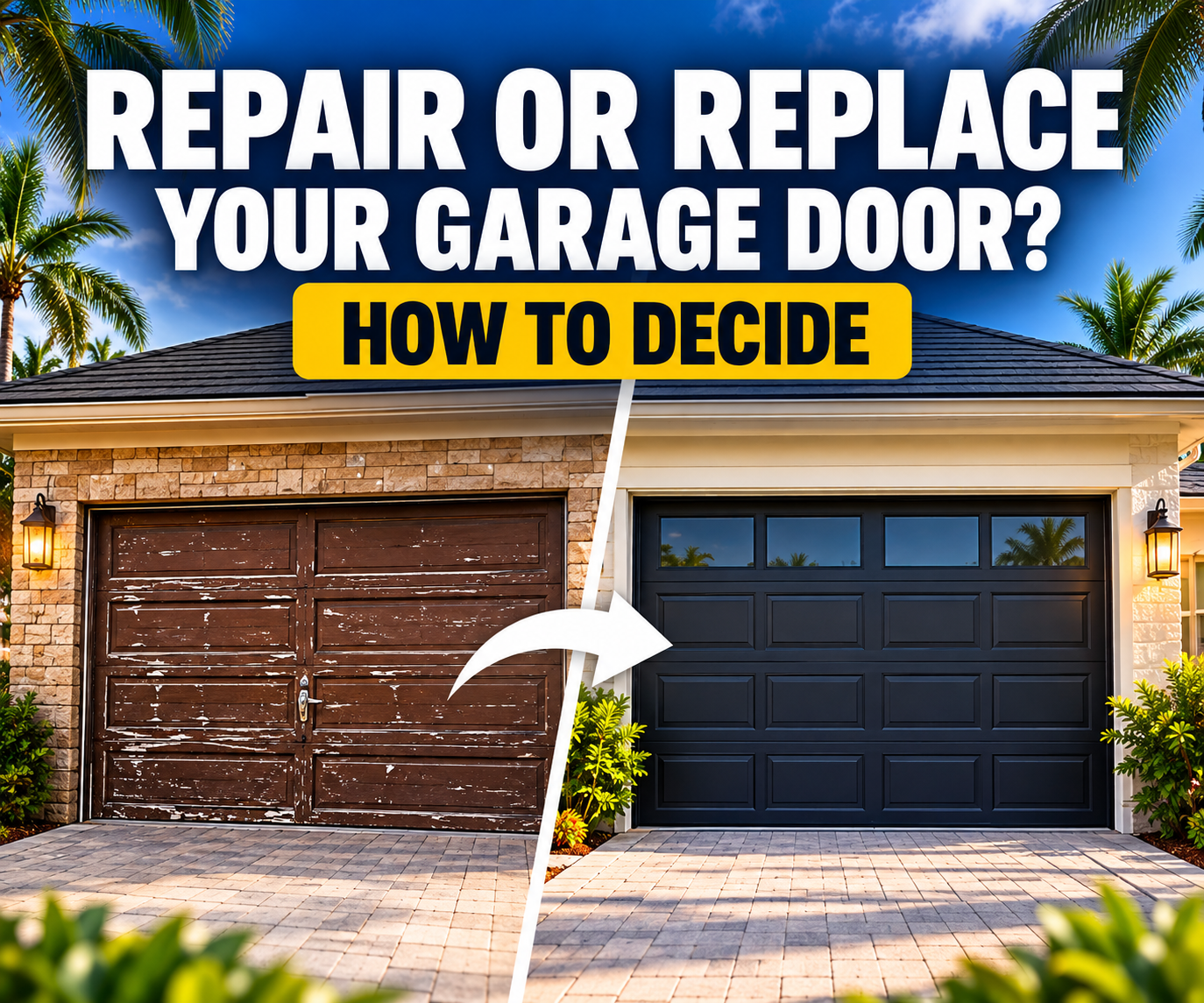
7. Should I Repair or Replace My Garage Door?
If an older door needs repairs more and more often, replacing it may cost less over time than continuing to fix it.
One repair doesn't mean you need a new door. To decide, weigh the door's age, condition, reliability, appearance, whether it meets current Florida wind-rating requirements, and how long you plan to stay in the home. New Garage Door.
Garage Door Warning Signs at a Glance
Sign
Common causes
What to do
New or louder noises
Worn rollers, loose hardware, dry parts, opener
Schedule an inspection
Shaking or jerking
Rollers, tracks, springs
Schedule an inspection
Slow operation
Opener or added resistance in the door
Have door and opener checked
Uneven door
Cables, springs, tracks
Stop adjusting, call a pro
Frayed or rusty cables
Wear, corrosion
Call a pro soon
Off-balance door
Springs
Call a pro
Frequent repairs
Aging system
Compare repair vs. replacement
Can I Fix These Garage Door Problems Myself?
You can look, listen and watch your door, but spring, cable and track repairs should be left to a professional. Springs and cables hold enough tension to cause serious injury. Safe things to do on your own: notice changes in sound or movement, look at the cables without touching them, and keep the area around the tracks clear.
Why Florida Garage Doors Wear Out Faster
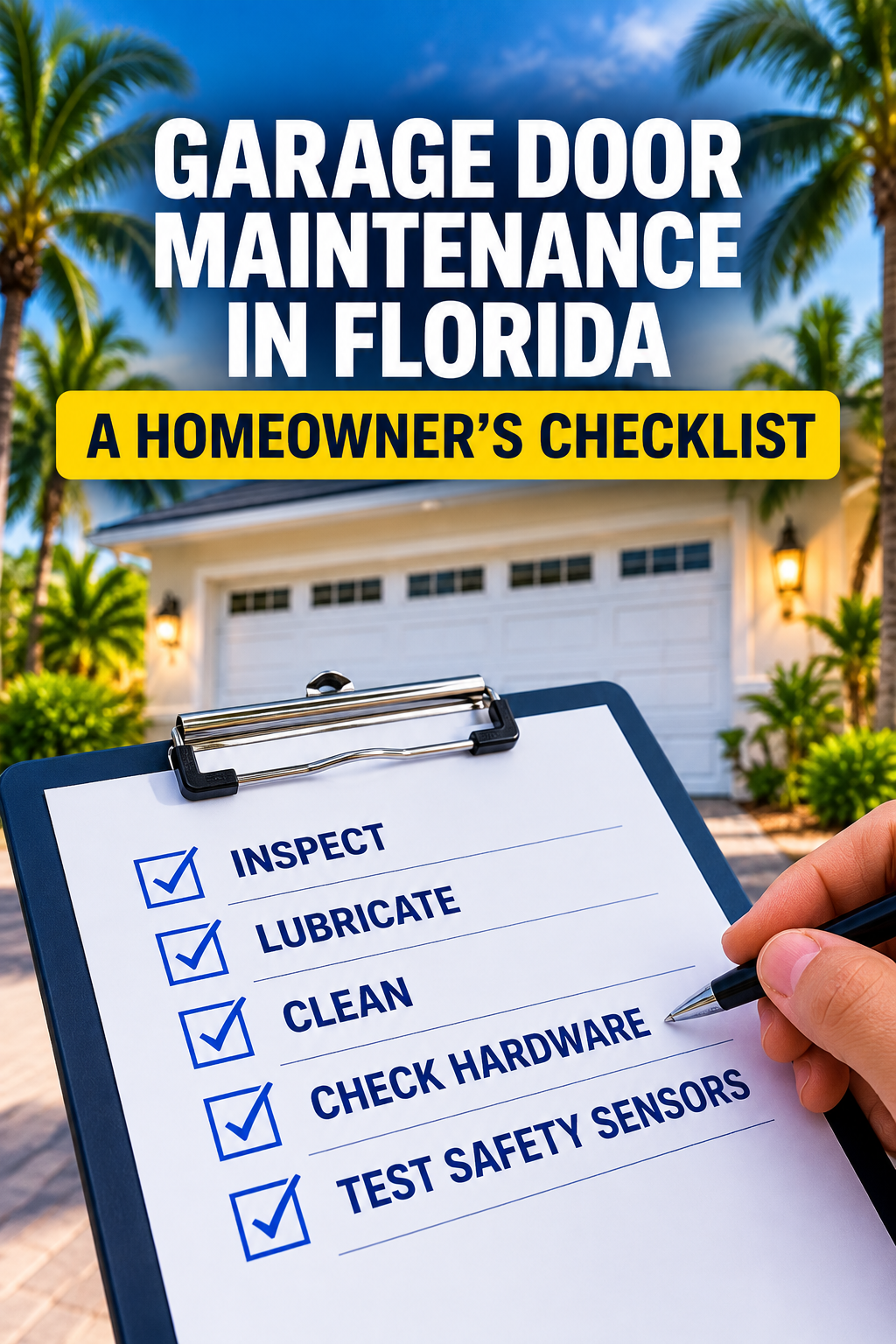
Florida is tough on garage doors. Heat, humidity, heavy rain, hurricane season and salt air near the coast all speed up wear and rust on springs, cables, rollers and hardware. Homes near the ocean or the Indian River Lagoon tend to see corrosion sooner, which makes regular inspections even more important. [Link: garage door maintenance page]
Garage Door Repair in Brevard, Indian River and St. Lucie Counties
Paradise Garage Doors has served Florida homeowners since 1996, providing garage door repair throughout Brevard, Indian River and St. Lucie counties, including Merritt Island, Melbourne, Palm Bay, Vero Beach, and Port St. Lucie. Garage door repair.
If your door sounds, looks or moves differently than it used to, schedule an inspection or call us before a small problem turns into a big one.
Frequently Asked Questions
How do I know if my garage door needs repair?
Watch for new noises, shaking, slow movement, an uneven door, frayed cables, poor balance or frequent breakdowns. Any of these is a reason to schedule an inspection.
Is it safe to use a noisy garage door?
Often for a short time, but a new noise means something is wearing out. Get it checked soon so a small fix doesn't become a bigger repair.
Can I fix a garage door spring myself?
No. Springs hold a large amount of tension and can cause serious injury. Spring work should always be done by a trained technician.
Why does my garage door opener sound like it's straining?
Often the opener isn't the problem. Worn springs, rollers or tracks can make the door harder to lift, which forces the opener to work harder.
Does Florida weather damage garage doors?
Yes. Heat, humidity, storms and coastal salt air speed up rust and wear, especially on springs, cables and hardware.
When should I replace my garage door instead of repairing it?
When an older door needs repairs more often, no longer meets wind-rating requirements, or the repair costs start adding up. A technician can help you compare.




Share On: