





What Happens During a Garage Door Safety Inspection?
What Happens During a Professional Garage Door Safety Inspection?
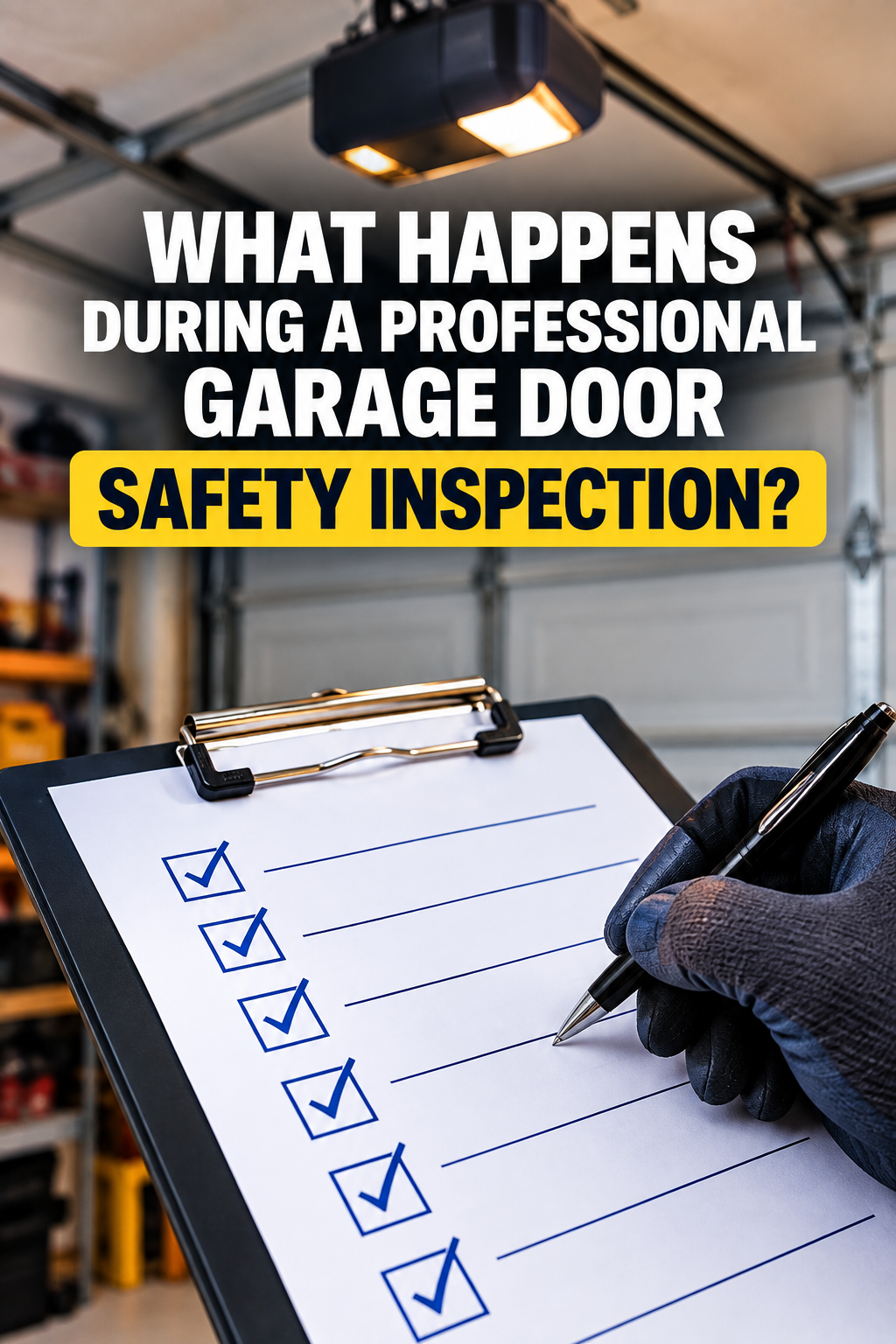
Quick answer: A professional garage door safety inspection checks the entire system, not just whether the door opens. A technician looks at the springs, cables, rollers, tracks, hinges and hardware, tests the door's balance, checks the opener, tests the safety sensors and auto-reverse, and looks at the weather seal and panels. You'll then get a clear explanation of what's in good shape, what's wearing out and what needs attention.
Your garage door is one of the largest moving objects in your home, and it's used every day. Yet most homeowners don't think about its condition until something breaks.
A safety inspection catches worn parts and hidden problems early, before they turn into a stuck door, a costly repair or a safety risk. Here's exactly what gets checked and why.
What Does a Garage Door Inspection Include?
Springs
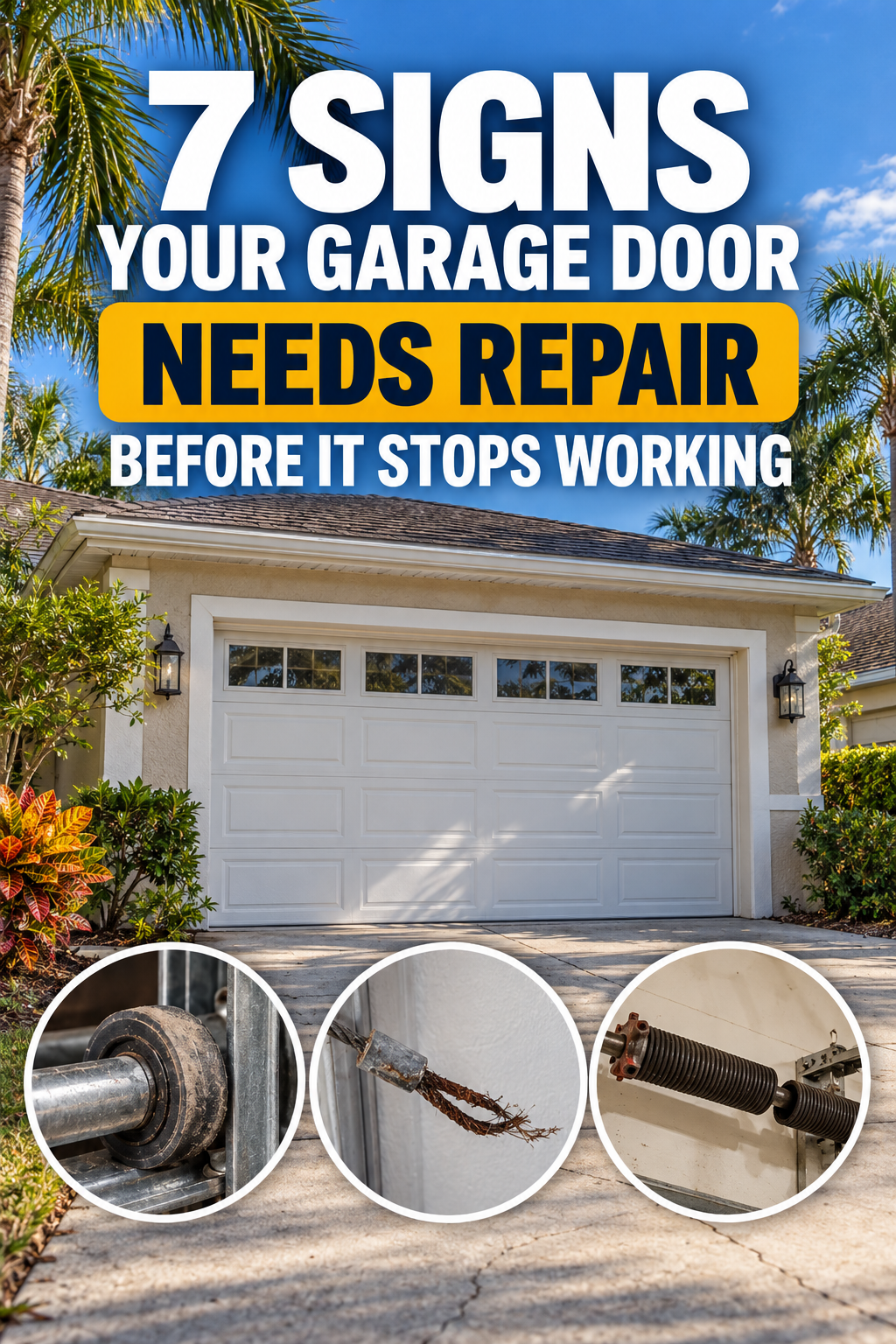
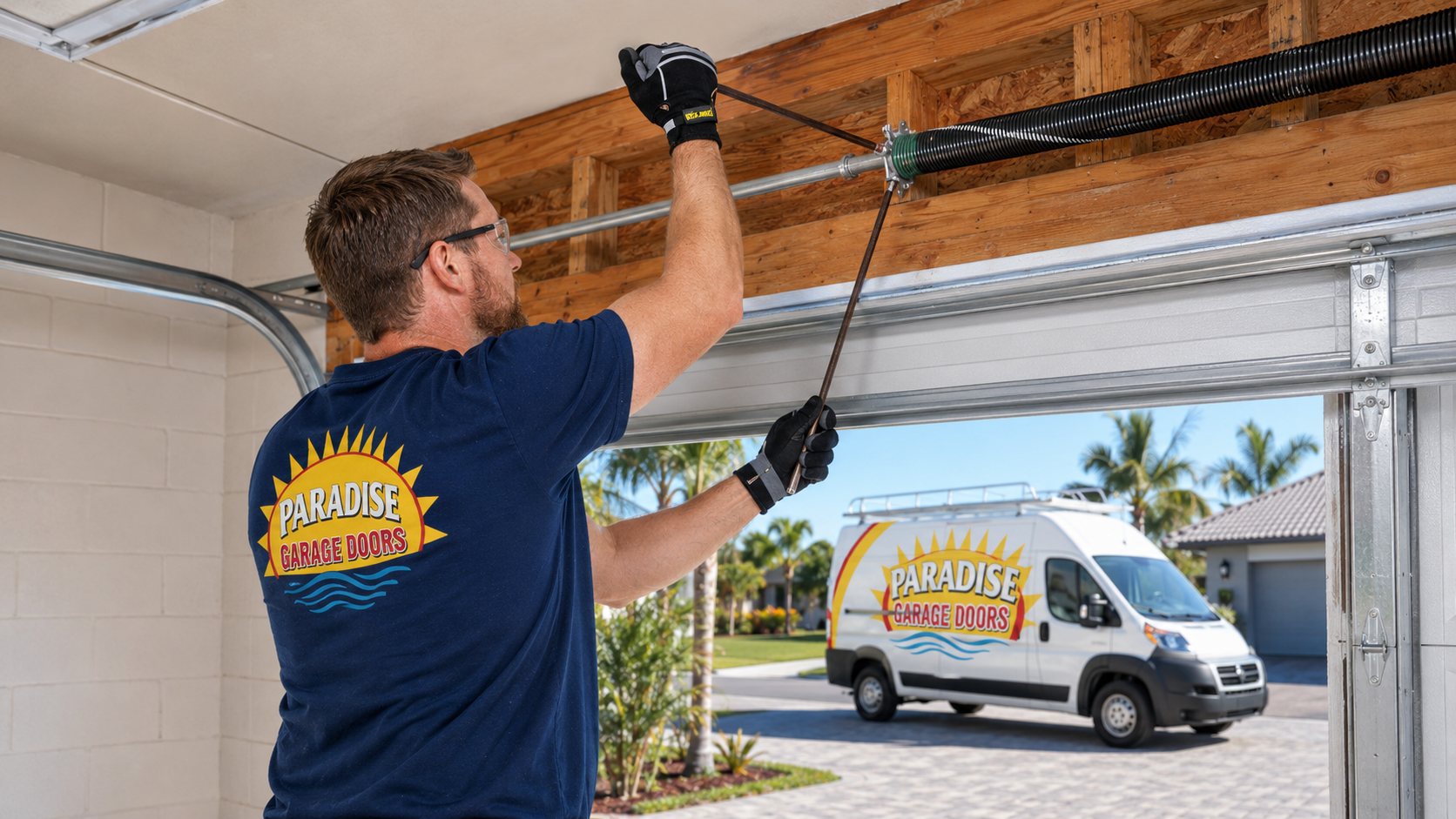
The technician checks the springs for wear, rust, stretching and signs they're nearing the end of their life.
Springs carry most of the door's weight, so their condition matters more than almost any other part. Catching a worn spring early can prevent a sudden break that leaves your car stuck inside.
Cables
Cables are checked for fraying, rust, slack and proper position on the drums or pulleys.
Cables connect the springs to the bottom of the door. A damaged cable can make the door uneven or unstable.
Rollers
Rollers are checked for cracks, wear, rust and how smoothly they spin.
Worn rollers are a common cause of noise, shaking and rough movement, and they're normal replacement parts over time.
Tracks
Tracks are checked for dents, bends, gaps, loose mounting and anything blocking the rollers.
Even a small bend can cause the door to jerk, scrape or come off track.
Hinges, Brackets and Hardware
The technician checks the hinges, brackets, nuts and bolts for looseness or wear.
Everyday vibration loosens hardware over time. Tightening or replacing it helps the door run smoothly and quietly.
Door Balance
A balance test shows whether the springs are lifting their share of the door's weight.
An off-balance door makes the opener work harder and wear out faster. Testing and adjusting balance requires training and the right tools, so it should always be done by a professional.
Garage Door Opener
The opener is checked for smooth operation, secure mounting, unusual noises, proper force settings and how it works with the door.
The technician can also tell whether a problem is coming from the opener or the door itself, so you don't replace the wrong part. Garage door opener repair.
Safety Sensors and Auto-Reverse
The technician makes sure the safety sensors are aligned and working, and that the door reverses if it touches something while closing.
Garage door openers made since 1993 are required to include safety features that help stop the door from closing on a person, pet or object. These features only protect your family if they're working correctly.
Weather Seal and Door Panels
The inspection also covers the bottom weather seal, side seals and the condition of the door panels.
Florida heat can dry out and crack seals, letting in water and bugs. Technicians also look for rust, dents and panel damage.
Why Inspect the Whole Door, Not Just the Problem?
A garage door is a system, and when one part wears out, others are often close behind.
A squeaky roller might be what prompted the call, but it may not be the only part showing wear. Looking at the whole system gives you a full picture of your door's condition, helps you plan for future repairs and can save you from a second service call.
What Happens After the Inspection?
You'll get a clear explanation of what the technician found, which parts are in good shape, what's wearing out and what needs attention now.
From there, you can decide what to repair and when. Many minor adjustments, like tightening hardware or lubricating the right parts, can often be handled during the same visit.
How Often Should You Get a Garage Door Inspection?
Once a year is a good rule of thumb, especially in Florida.
Heat, humidity, storms and salt air speed up wear on Florida garage doors. You should also schedule an inspection:
- Before hurricane season
- When you buy a home
- If your door starts making new noises, shaking or moving unevenly
- After your door has been hit or damaged
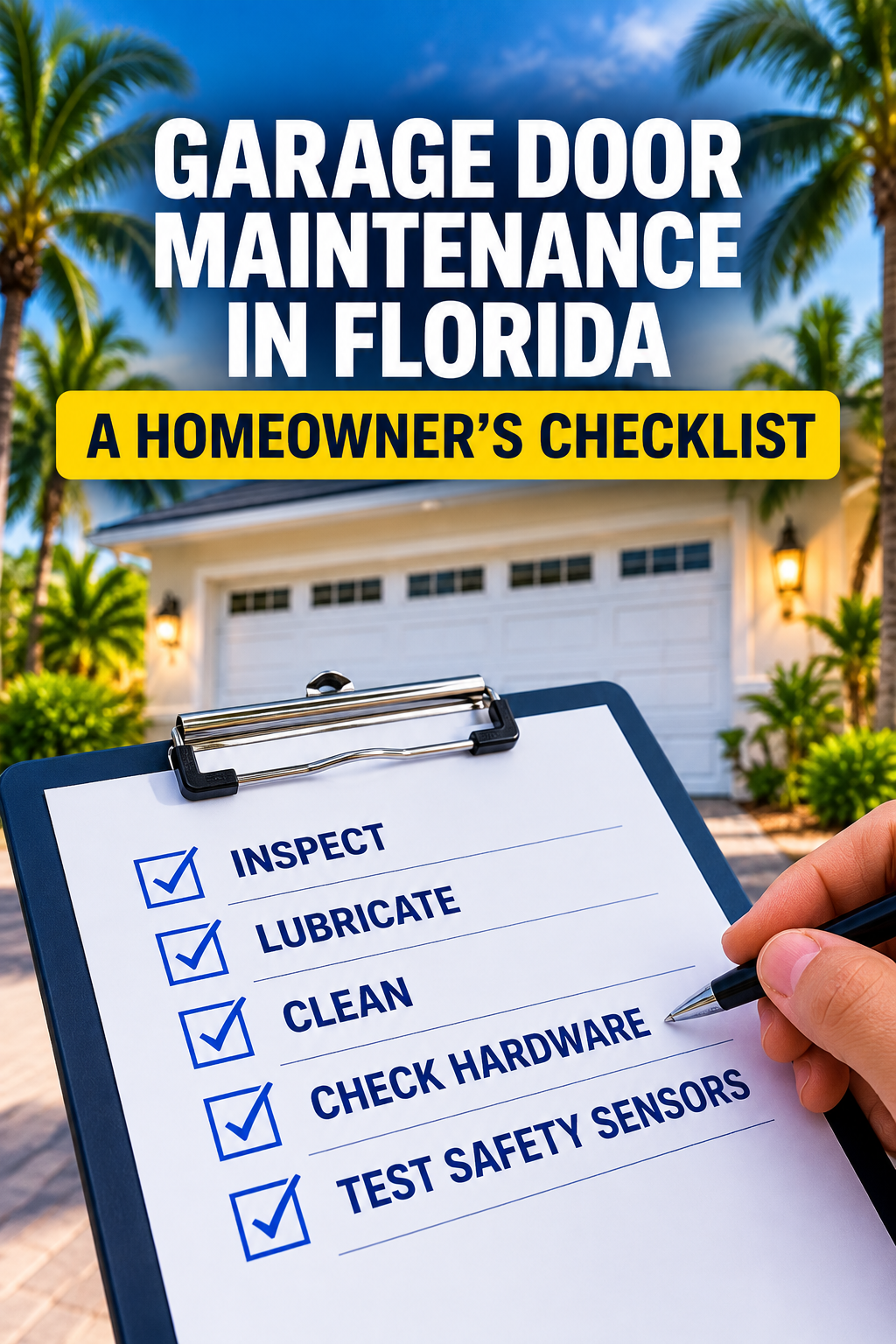
Garage Door Safety Inspection Checklist
What's checkedWhat the technician looks forSpringsWear, rust, stretching, signs of failureCablesFraying, rust, slack, proper positionRollersCracks, wear, rust, smooth rollingTracksDents, bends, gaps, loose mountingHinges & hardwareLoose or worn partsDoor balanceSprings carrying the right amount of weightOpenerSmooth operation, mounting, noise, force settingsSafety sensors & auto-reverseAlignment and proper reversingSeals & panelsCracks, gaps, rust, damage
Garage Door Safety Inspections in Brevard, Indian River and St. Lucie Counties
Paradise Garage Doors has served Florida homeowners since 1996, providing detailed garage door safety inspections and repairs throughout the Space Coast and Treasure Coast.
When was your door last inspected? Schedule a safety inspection or call.
Frequently Asked Questions
What does a garage door inspection include?
A full inspection covers springs, cables, rollers, tracks, hinges and hardware, door balance, the opener, safety sensors, auto-reverse, and the seals and panels.
How often should I have my garage door inspected?
Once a year is recommended, especially in Florida's humid, salty climate. Also schedule one before hurricane season or if your door starts acting differently.
How long does a garage door inspection take?
Most inspection time depend on the door and whether any adjustments are made during the visit.
Do I need a garage door inspection when buying a home?
It's a smart idea. A general home inspection may not cover the garage door in detail, and a garage door specialist can spot worn springs, cables or safety issues.
Can I inspect my garage door myself?
You can watch, listen and test the safety sensors and auto-reverse. Springs, cables, balance and bottom brackets should be checked by a professional.
Why is garage door balance important?
When the door is properly balanced, the springs do most of the lifting. An off-balance door strains the opener and causes parts to wear out faster.


Share On: