





Why Is My Garage Door So Loud?
If your garage door is squeaking, grinding, banging, popping, rattling, or shaking,
it may be time for garage door maintenance, repair, or a full system inspection.

Why Is My Garage Door So Loud?
Common Noises Florida Homeowners Shouldn’t Ignore
If your garage door is suddenly loud, squeaky, grinding, rattling, popping, banging, or shaking, it is usually a sign that something in the garage door system needs attention.
A noisy garage door is more than an annoyance. It can point to worn rollers, loose hardware, dry hinges, spring issues, opener problems, track alignment problems, damaged cables, or parts that need maintenance. For Florida homeowners, heat, humidity, salt air, storms, and daily use can all contribute to garage door wear over time.
Paradise Garage Doors helps homeowners throughout Brevard County, Indian River County, and St. Lucie County with garage door repair, garage door opener repair, garage door spring repair, garage door maintenance, inspections, lube and tune service, garage door replacement, lifestyle garage screen doors, and hurricane/impact-rated garage door options.
If your garage door is louder than usual, it is a good idea to have the full system inspected before a small issue turns into a bigger repair.
Quick Answer: Why Is My Garage Door So Loud?
A garage door may be loud because of worn rollers, dry hinges, loose bolts, damaged tracks, spring problems, opener issues, cable problems, or a door that is out of balance. Squeaking, grinding, rattling, banging, and popping noises can each point to different garage door problems.
If your garage door is making loud or unusual noises, do not ignore it. A professional garage door inspection can help identify the cause and determine whether the door needs maintenance, adjustment, repair, or replacement parts.
1. Squeaking Garage Door Noises
A squeaking garage door is often caused by dry hinges, rollers, springs, or other moving parts. Over time, garage door parts can lose lubrication and begin rubbing together.
Common causes of squeaking include:
- Dry rollers
- Dry hinges
- Lack of lubrication
- Worn hardware
- Rust on moving parts
- Normal wear from daily use
A garage door lube and tune service can help reduce squeaking and improve smoother operation. However, if the squeaking is paired with shaking, grinding, or uneven movement, there may be a larger issue that needs repair.
2. Grinding Garage Door Noises
A grinding noise is usually more serious than a simple squeak. Grinding may mean that metal parts are rubbing together, rollers are worn, the track is misaligned, or the opener is struggling.
Common causes of grinding include:
- Worn garage door rollers
- Bent or misaligned tracks
- Opener gear problems
- Dry or damaged hardware
- Door balance issues
- Rollers dragging instead of rolling
If your garage door makes a grinding sound when opening or closing, stop and pay attention. Continuing to use the door can put extra strain on the opener, tracks, rollers, cables, and springs.
3. Banging or Loud Popping Sounds
A loud bang or popping sound from the garage can be a warning sign.
Sometimes a loud bang means a garage door spring has broken. Garage door springs are under tension, and when they break, they can make a loud sound that homeowners often describe as a bang, snap, or pop.
Possible causes of banging or popping include:
- Broken garage door spring
- Worn spring system
- Loose hardware
- Door panels shifting
- Track movement
- Cable issues
- Opener strain
If you heard a loud bang and your garage door will not open, only opens a few inches, or feels extremely heavy, you may need garage door spring repair. Do not try to force the door open.
4. Rattling Garage Door Noises
A rattling garage door may be caused by loose nuts, bolts, hinges, brackets, or opener parts. Over time, daily movement can loosen hardware throughout the system.
Common causes of rattling include:
- Loose hinges
- Loose bolts
- Loose track brackets
- Worn rollers
- Vibrating opener parts
- Garage door panels moving unevenly
A rattling noise may seem minor at first, but loose hardware can affect how the garage door moves. A garage door maintenance visit can help tighten, inspect, and identify parts that need attention.
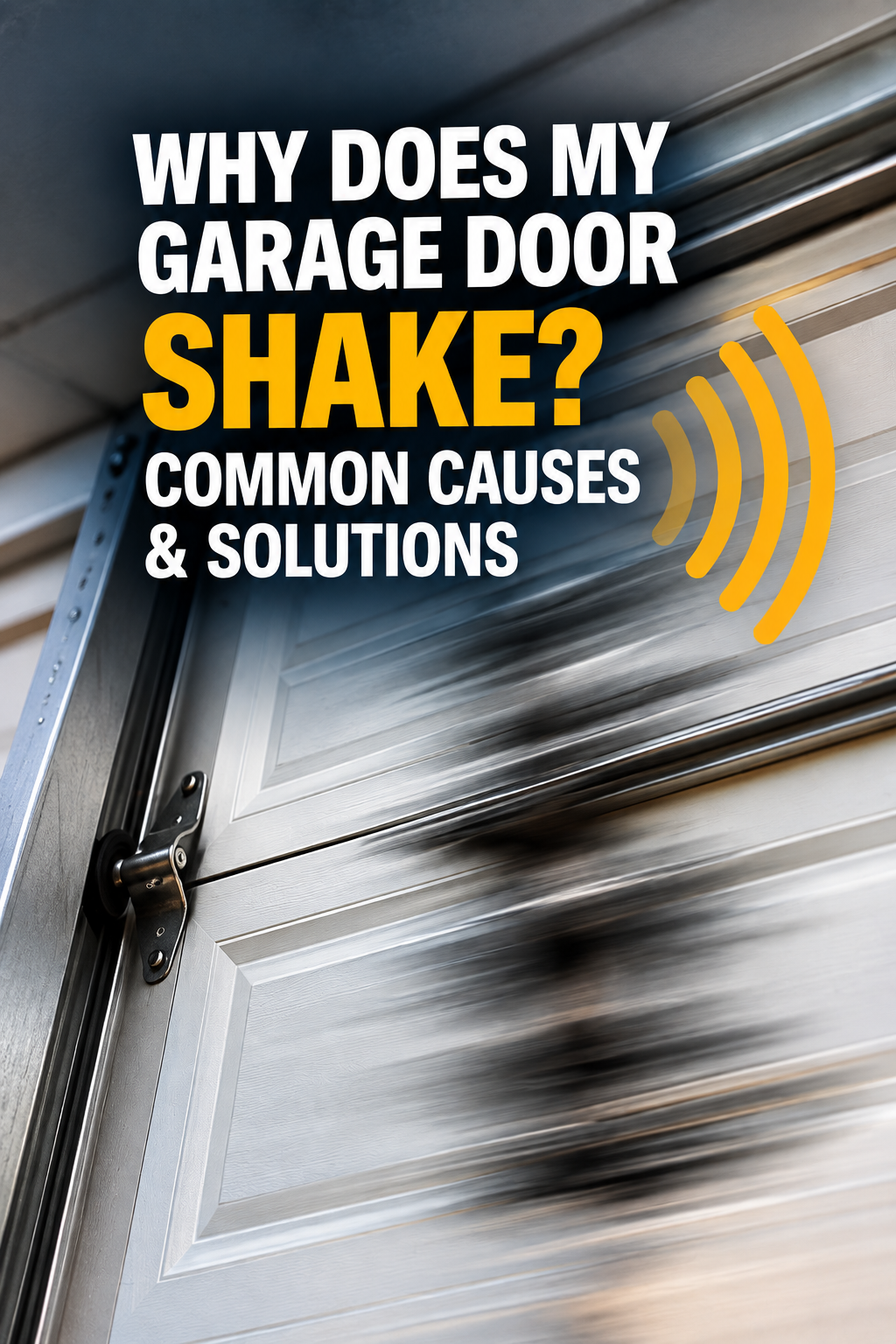
5. Shaking or Jerky Garage Door Movement
If your garage door is loud and shaking, the problem may involve the rollers, tracks, springs, cables, or opener.
A garage door should move smoothly. If it shakes, jerks, or looks uneven, something may be interfering with the movement of the door.
Common causes of shaking include:
- Worn rollers
- Damaged tracks
- Door out of balance
- Loose hardware
- Cable problems
- Spring problems
- Opener strain
Do not ignore a garage door that shakes while opening or closing. Shaking can lead to more damage and may become unsafe if the issue gets worse.
6. Noisy Garage Door Rollers
Garage door rollers help the door move along the track. When rollers are worn, cracked, rusted, loose, or no longer rolling smoothly, the door can become loud.
Signs of worn rollers include:
- Grinding sounds
- Squeaking
- Shaking
- Jerky door movement
- Door sticking in the track
- Visible wear or rust
Rollers are one of the most common parts checked during a garage door inspection or lube and tune service. Replacing worn rollers can help improve garage door performance and reduce noise. This should be done by a trained professional only!
7. Garage Door Opener Noise
Sometimes the noise is coming from the garage door opener, not the door itself.
Garage door opener noises may include humming, grinding, clicking, buzzing, or straining sounds. These noises can come from the opener motor, internal gears, chain or belt system, travel settings, or the opener struggling to move a heavy or unbalanced door.
Common garage door opener problems include:
- Worn gears
- Motor strain
- Loose chain or belt
- Limit setting issues
- Old opener parts
- Opener trying to lift a heavy door
- Door balance problems
If the opener is loud but the door also feels heavy or moves unevenly, the opener may not be the real problem. The garage door spring, cable, roller, or track system may need attention.
8. Spring or Cable Problems
Garage door springs and cables help balance the weight of the door. If the spring system is worn, weak, or broken, the garage door may become noisy, heavy, uneven, or difficult to operate.
Signs of spring or cable problems include:
- Loud bang from the garage
- Door feels heavy
- Door opens only a few inches
- Door looks crooked
- Loose cables
- Opener struggles
- Door moves unevenly
- Popping or snapping sounds
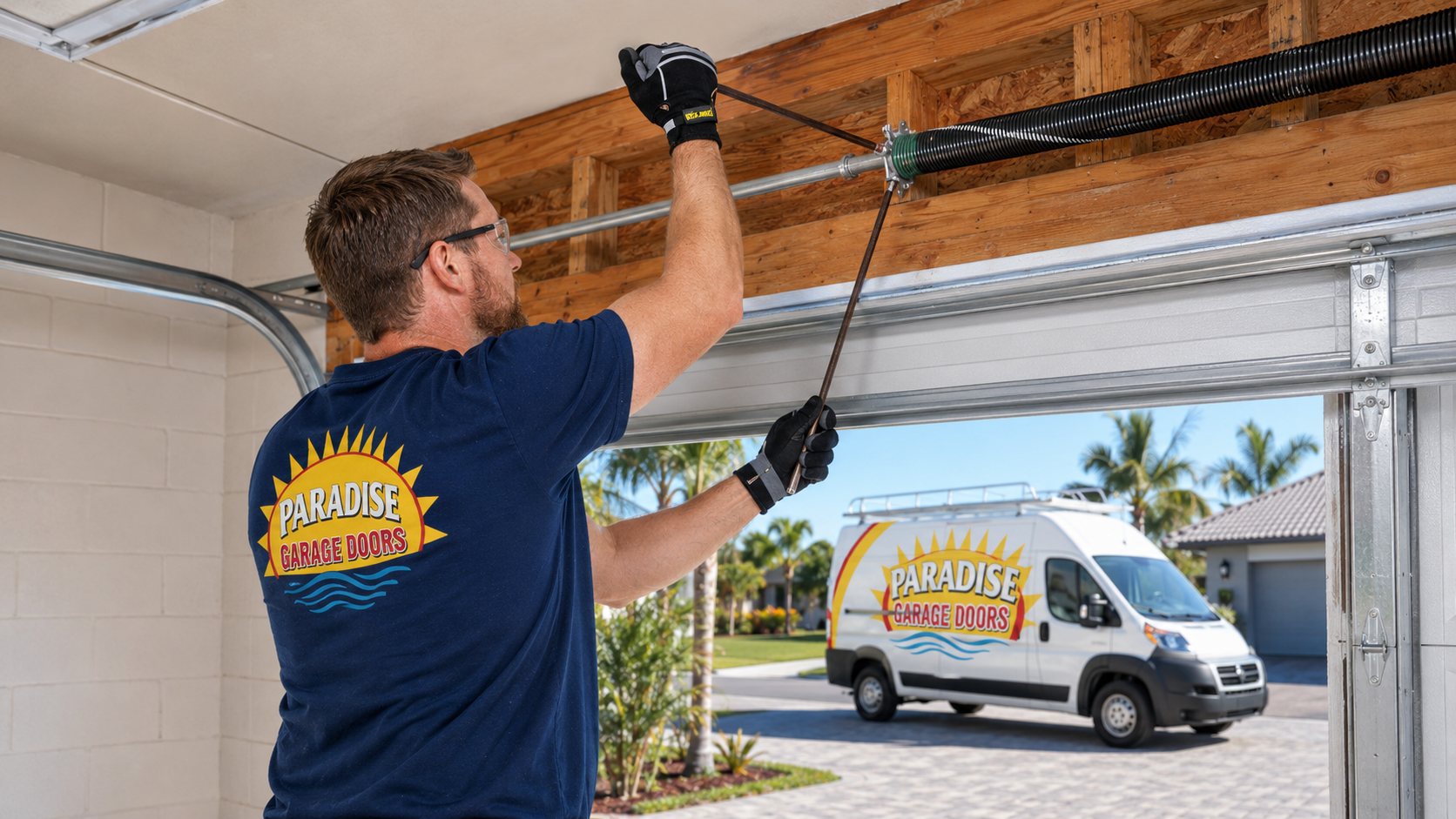
Garage door spring repair and cable repair should not be DIY projects. Springs and cables are under tension and should be handled by a trained garage door technician.
9. Track Alignment Problems
Garage door tracks guide the door as it opens and closes. If the tracks are bent, loose, dirty, blocked, or misaligned, the door may become noisy.
Track problems can cause:
- Scraping sounds
- Grinding
- Rubbing
- Door shaking
- Door getting stuck
- Uneven movement
- Door coming off track
If your garage door is rubbing against the track or sounds like it is scraping, schedule service before the damage gets worse.
10. Florida Weather Can Make Garage Door Noise Worse
Florida weather can be hard on garage door systems. Heat, humidity, rain, storms, wind, and coastal salt air can all affect garage door parts over time.
Humidity and salt air can contribute to rust and wear. Storms and wind can affect alignment. Daily use can loosen hardware, wear rollers, and put strain on springs and openers.
That is why garage door maintenance is important for Florida homeowners. A lube and tune service can help keep the garage door system moving smoothly and identify worn parts early.
When Should You Call a Garage Door Repair Company?
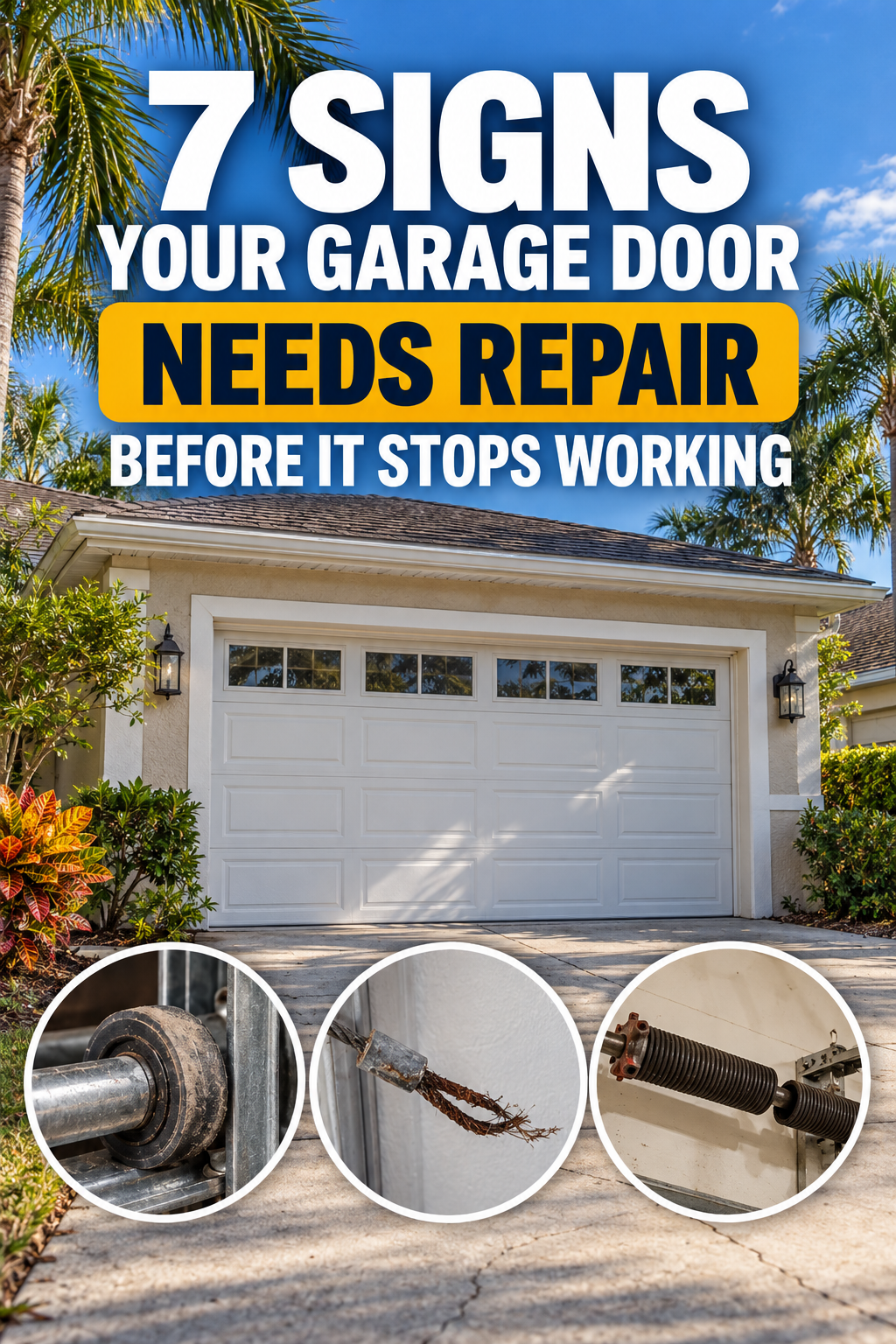
You should schedule garage door service if:
- Your garage door is louder than usual
- The door squeaks, grinds, rattles, pops, or bangs
- The garage door shakes while moving
- The opener sounds like it is struggling
- The door feels heavy
- The door looks crooked or uneven
- You heard a loud bang from the garage
- The door is slow, jerky, or unreliable
- The garage door will not open or close properly
- You have not had the system inspected recently
A noisy garage door can often be improved with maintenance, but some noises are signs of broken or worn parts that need repair.
Paradise Garage Doors Can Help With Noisy Garage Doors
If your garage door is squeaking, grinding, rattling, banging, popping, shaking, or not running smoothly, Paradise Garage Doors can help inspect the system and recommend the right service option.
Paradise Garage Doors has been serving Florida homeowners since 1996. Our team provides garage door repair, garage door opener repair, garage door spring repair, garage door maintenance, lube and tune service, inspections, garage door installation, garage door replacement, lifestyle garage screen doors, and hurricane/impact-rated garage door options.
We serve homeowners throughout Brevard County, Indian River County, and St. Lucie County, including Merritt Island, Melbourne, Palm Bay, Vero Beach, Sebastian, Port St. Lucie, Fort Pierce, Tradition, Rockledge, Cocoa, Titusville, and surrounding Florida communities.
Every home deserves a little Paradise.
Frequently Asked Questions About Noisy Garage Doors
Why is my garage door so loud?
Your garage door may be loud because of worn rollers, dry hinges, loose hardware, opener strain, track problems, spring issues, cable problems, or lack of maintenance. A full garage door inspection can help identify the cause.
Why does my garage door squeak?
A squeaking garage door is often caused by dry hinges, rollers, springs, or other moving parts. A lube and tune service may help, but if the door is also shaking or grinding, it may need repair.
Why does my garage door make a grinding noise?
Grinding can be caused by worn rollers, misaligned tracks, opener gear problems, dry hardware, or a garage door that is not moving smoothly. Grinding noises should be inspected before they cause more damage.
Why did I hear a loud bang from my garage?
A loud bang may mean a garage door spring broke. If your garage door will not open, only opens a few inches, or feels heavy after hearing a bang, call a garage door repair company for spring service.
Is a noisy garage door dangerous?
A noisy garage door is not always dangerous, but it can be a warning sign of worn parts, spring problems, cable issues, opener strain, or track problems. If the noise is loud, sudden, or paired with uneven movement, schedule service.
Can I lubricate my garage door myself?
Homeowners may be able to apply garage door lubricant to certain moving parts, but lubrication does not fix broken springs, worn rollers, loose cables, bent tracks, or opener problems. If the door is still noisy, schedule a garage door inspection.
How often should a garage door be maintained?
Many homeowners benefit from regular garage door maintenance, especially if the door is used daily or exposed to Florida heat, humidity, storms, or coastal conditions. Maintenance can help identify worn parts before they turn into bigger repairs.
Do you service noisy garage doors in Brevard County?
Yes. Paradise Garage Doors provides garage door repair, maintenance, opener repair, spring repair, and inspections throughout Brevard County, including Merritt Island, Melbourne, Palm Bay, Rockledge, Cocoa, Titusville, and surrounding communities.
Do you service noisy garage doors in Indian River County?
Yes. Paradise Garage Doors serves Indian River County homeowners, including Vero Beach, Sebastian, and nearby communities.
Do you service noisy garage doors in St. Lucie County?
Yes. Paradise Garage Doors provides garage door repair and maintenance in St. Lucie County, including Port St. Lucie, Fort Pierce, Tradition, and surrounding areas.
Who should I call if my garage door is loud?
If your garage door is loud, squeaky, grinding, rattling, or shaking, Paradise Garage Doors can inspect the system and provide garage door repair, maintenance, lube and tune service, opener repair, or spring repair throughout Brevard County, Indian River County, and St. Lucie County.


Share On: