





Why Does My Garage Door Shake? Causes & Solutions
Why Does My Garage Door Shake? Common Causes & Solutions
Quick answer: A garage door usually shakes or jerks because of worn rollers, bent or misaligned tracks, loose hardware, a spring or balance problem, damaged cables or an opener issue. A little vibration is normal, but noticeable shaking means something is wearing out. Have it inspected before the extra strain damages other parts.
Your garage door shouldn't look like it's struggling every time it moves. If it shakes, wobbles or jerks as it travels, something in the system isn't working smoothly.
Here are the most common causes, what you can safely check and when to call a pro.
Is It Normal for a Garage Door to Shake?
A small amount of vibration is normal. Noticeable shaking, wobbling or jerking is not.
The key is change. If your door has started moving more roughly than it used to, that's a sign of wear or a mechanical problem worth checking.
1. Worn Garage Door Rollers
Worn rollers are one of the most common reasons a garage door shakes.
Rollers are the small wheels that guide the door along its tracks. When they wear down, crack or stop spinning smoothly, the whole door can vibrate. Florida's humidity and salt air can also cause rust on metal rollers, making them rougher over time. Replacing old metal rollers with nylon ones often makes the door both smoother and quieter.
2. Bent or Misaligned Tracks
If the tracks are bent, dented or out of line, the rollers can't travel smoothly, causing the door to jerk or shake.
Tracks can get bumped by a car, bikes or storage items, or shift over time. Look for dents, gaps or tracks that don't run straight. Avoid trying to bend or reposition tracks yourself; small mistakes can make the door unstable.
3. Loose Hardware
Everyday vibration can loosen the hinges, brackets and bolts that hold your door together, leading to shaking and rattling.
Tightening loose hinge bolts on the door panels is generally a simple fix. Never loosen or adjust the bottom brackets (the brackets at the bottom corners of the door where the cables attach). They're under high tension and can cause serious injury.
4. Spring or Balance Problems
If your springs aren't balancing the door properly, the door can jerk as the opener struggles to lift it.
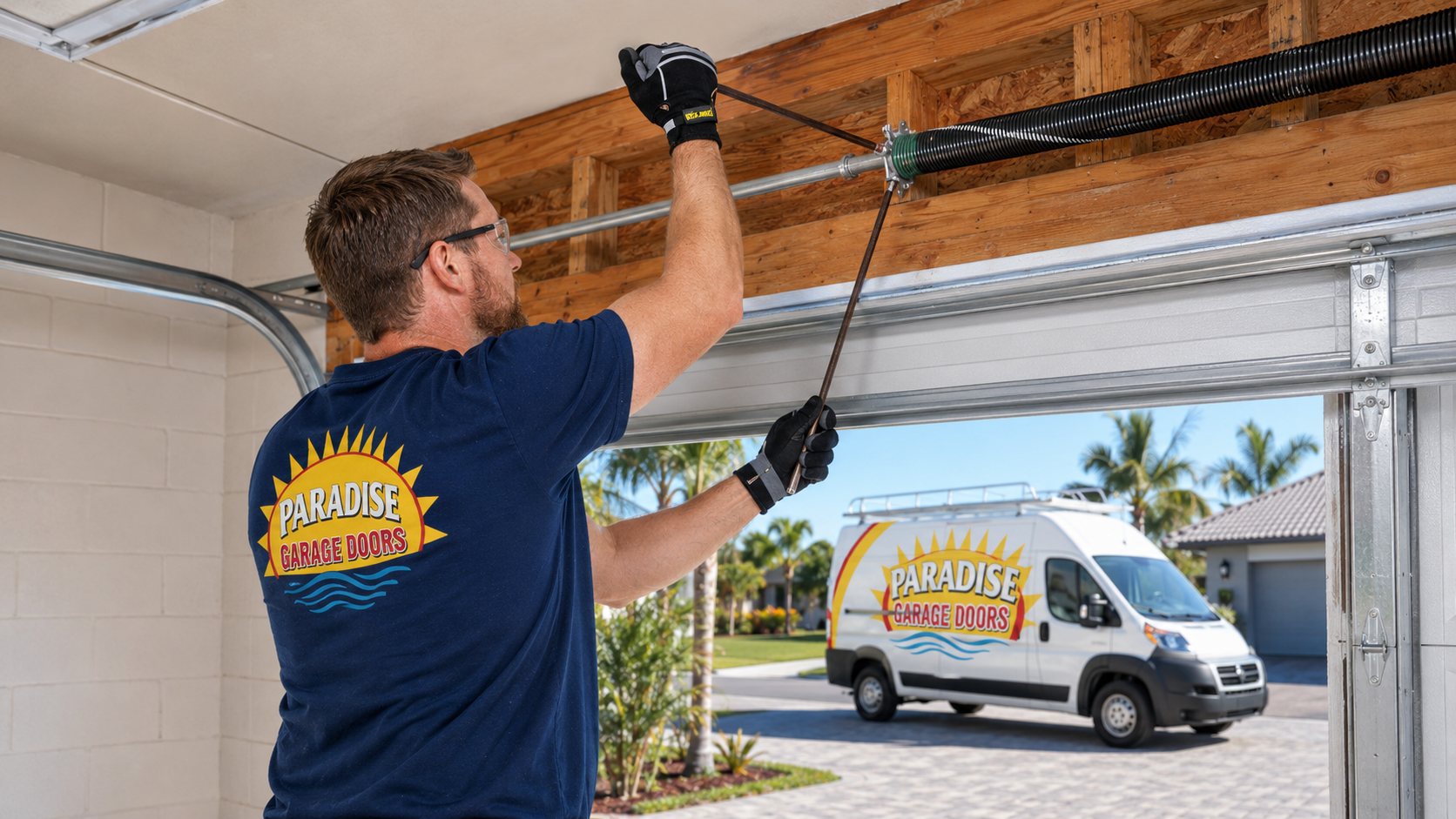
Springs carry most of the door's weight. When one is worn, stretched or broken, the door becomes uneven or heavy, and the movement gets rough. Balance testing and spring adjustment should always be done by a professional.
5. Cable Problems
Damaged or uneven cables can make one side of the door lift differently than the other, causing shaking or a crooked door.
Cables connect the springs to the bottom of the door. If you see fraying, rust or slack, or if the door looks crooked, stop using it and call for service.
6. Garage Door Opener Problems
Sometimes the shaking comes from the opener, not the door, such as a loose chain, worn drive parts or a loose mounting bracket.
A technician can disconnect the door from the opener and test each separately to find the real source, so you don't replace the wrong part. Garage door opener repair.
What Can I Safely Check Myself?
You can look, listen and do a few simple checks, but leave springs, cables, tracks and bottom brackets to a professional.
Safe things to do:
- Watch the door move and note where the shaking starts.
- Look for visible dents in the tracks or cracked rollers.
- Tighten loose hinge bolts on the door panels.
- Clear anything blocking the tracks.
Not safe to DIY: spring adjustment, cable repair, track realignment and anything involving the bottom brackets.
Why You Shouldn't Ignore a Shaking Garage Door
A door can keep working even when something is wrong, but the extra strain wears out other parts faster.
Shaking puts stress on the opener, rollers, cables and springs. Left alone, a small roller or hardware issue can turn into a bigger, more expensive repair, or a door that comes off its track.
Shaking Garage Door Quick Guide
What you noticeLikely causeWhat to doVibration with squeaking or grindingWorn rollersSchedule an inspectionJerking at the same spot every timeBent or misaligned trackCall a pro; don't adjust tracksShaking with rattlingLoose hardwareTighten hinge bolts or schedule serviceDoor lifts unevenly or feels heavySpring or balance problemStop using the door; call a proDoor looks crookedCable problemStop using the door; call a proOpener sounds strained or chain slapsOpener issueHave the opener checked
Garage Door Repair in Brevard, Indian River and St. Lucie Counties
Paradise Garage Doors has served Florida homeowners since 1996, providing garage door repair throughout Brevard, Indian River and St. Lucie counties, including Merritt Island, Melbourne, Palm Bay, Vero Beach, and Port St. Lucie.
Garage door shaking or jerking? Schedule an inspection or call and we'll find the cause.
Frequently Asked Questions
Why does my garage door shake when it opens?
The most common causes are worn rollers, bent tracks, loose hardware, spring or balance problems, damaged cables or an opener issue.
Is it safe to use a garage door that shakes?
Mild shaking isn't an emergency, but it's a sign of wear. If the door is also crooked, heavy or making loud noises, stop using it and call a professional.
Why does my garage door jerk when closing?
Jerking while closing often points to worn rollers, a bent track or a balance problem. It can also be caused by the opener.
Can I fix a shaking garage door myself?
You can safely tighten loose hinge bolts and clear the tracks. Spring, cable, track and bottom-bracket repairs should be left to a professional.
Will new rollers stop my garage door from shaking?
If worn rollers are the cause, yes. Nylon rollers are often smoother and quieter than old metal ones. A technician can confirm whether rollers are the issue.
Can Florida weather make my garage door shake?
It can contribute. Humidity and salt air cause rust on rollers, tracks and hardware, which makes movement rougher over time.





Share On: