





Garage Door Maintenance in Florida | Homeowner Checklist
Garage Door Maintenance in Florida: A Homeowner's Checklist
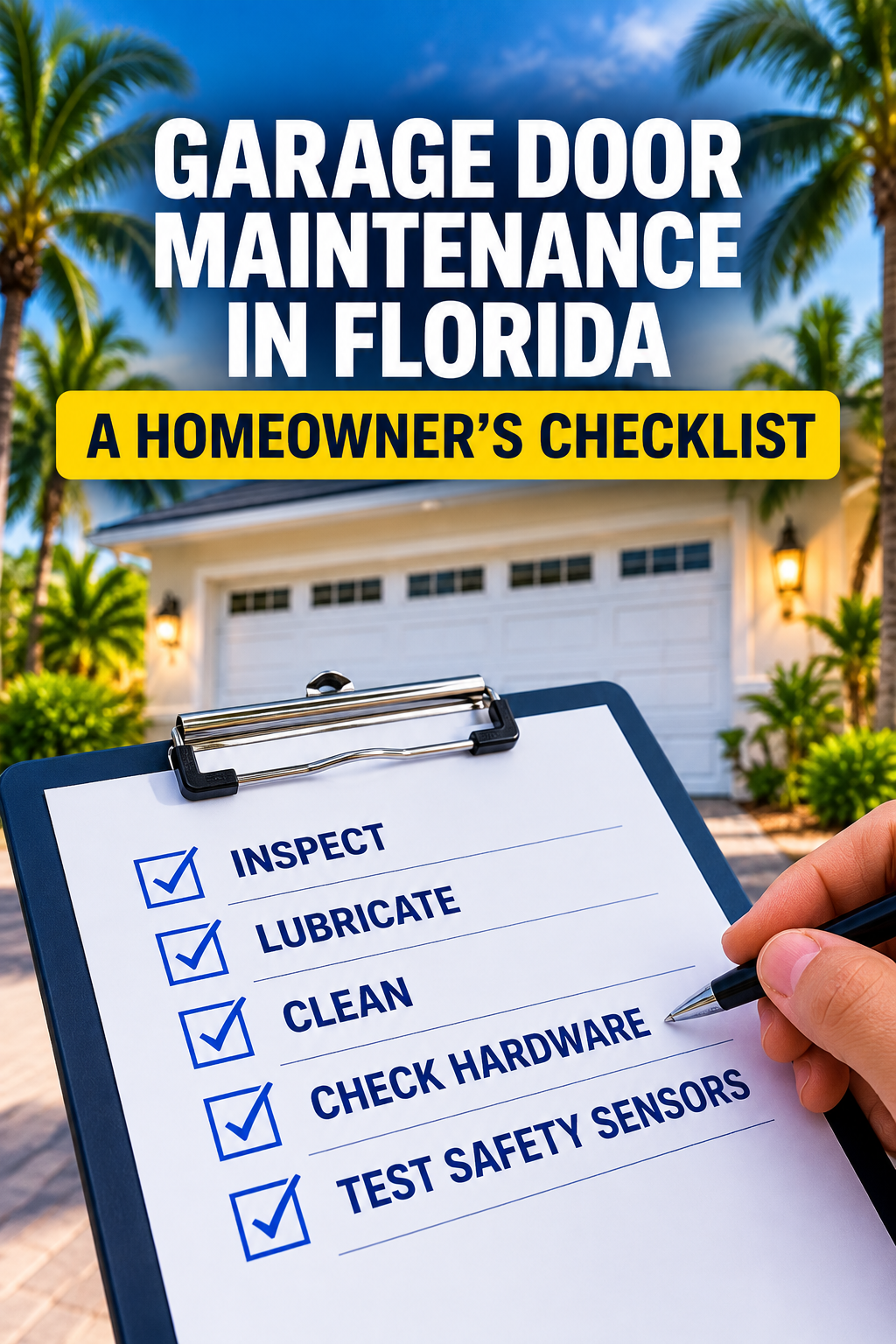
Quick answer: Florida garage door maintenance means watching and listening to your door every month, checking cables, rollers and the bottom seal for wear, testing the safety sensors and auto-reverse, rinsing off salt and dirt, and scheduling a professional tune-up once a year. Florida's heat, humidity, storms and salt air wear doors out faster than in many other states, so regular checks help catch problems before they become emergencies.
Florida isn't gentle on garage doors. Heat, humidity, heavy rain, hurricane season and salt air near the coast all speed up rust and wear. A few simple checks, plus a yearly professional visit, can keep your door running smoothly and help you avoid surprise breakdowns.
Why Do Garage Doors Need More Maintenance in Florida?
Florida's heat, humidity and salt air cause metal parts to rust faster and rubber seals to dry out and crack sooner.
- Humidity and rain speed up rust on springs, cables, rollers and hardware.
- Salt air near the ocean and the Indian River Lagoon makes corrosion even faster.
- Intense heat and sun dry out rubber and vinyl weather seals.
- Hurricane season puts extra stress on doors and makes wind-rated doors and reinforcements important.
Monthly Garage Door Checklist
Watch the Door Open and Close
Watching one full open-and-close cycle is the easiest maintenance check, and it's free.
Stand inside the garage and look for:
- Shaking or jerking
- Uneven movement or a crooked door
- Hesitation or slowing down
- A door that drifts or doesn't close fully
Any change from normal is worth a closer look.
Listen for New Noises
A new squeak, grind, scrape, pop or rattle is an early warning sign.
You don't need to figure out the cause yourself. Noticing that something sounds different is enough to schedule an inspection.
Test the Safety Sensors
Make sure nothing blocks the safety sensors (the small "electric eyes" near the bottom of each track) and that both sensor lights are steady.
Wipe the lenses gently with a soft cloth and avoid bumping them out of line.
Test the Auto-Reverse Feature
Your door should reverse if it touches something while closing.
Lay a 2x4 board flat on the floor in the door's path and close the door. It should reverse when it touches the board. If it doesn't, stop using the opener to close the door and call for service. This is an important safety feature, especially in homes with kids or pets.
Every Few Months
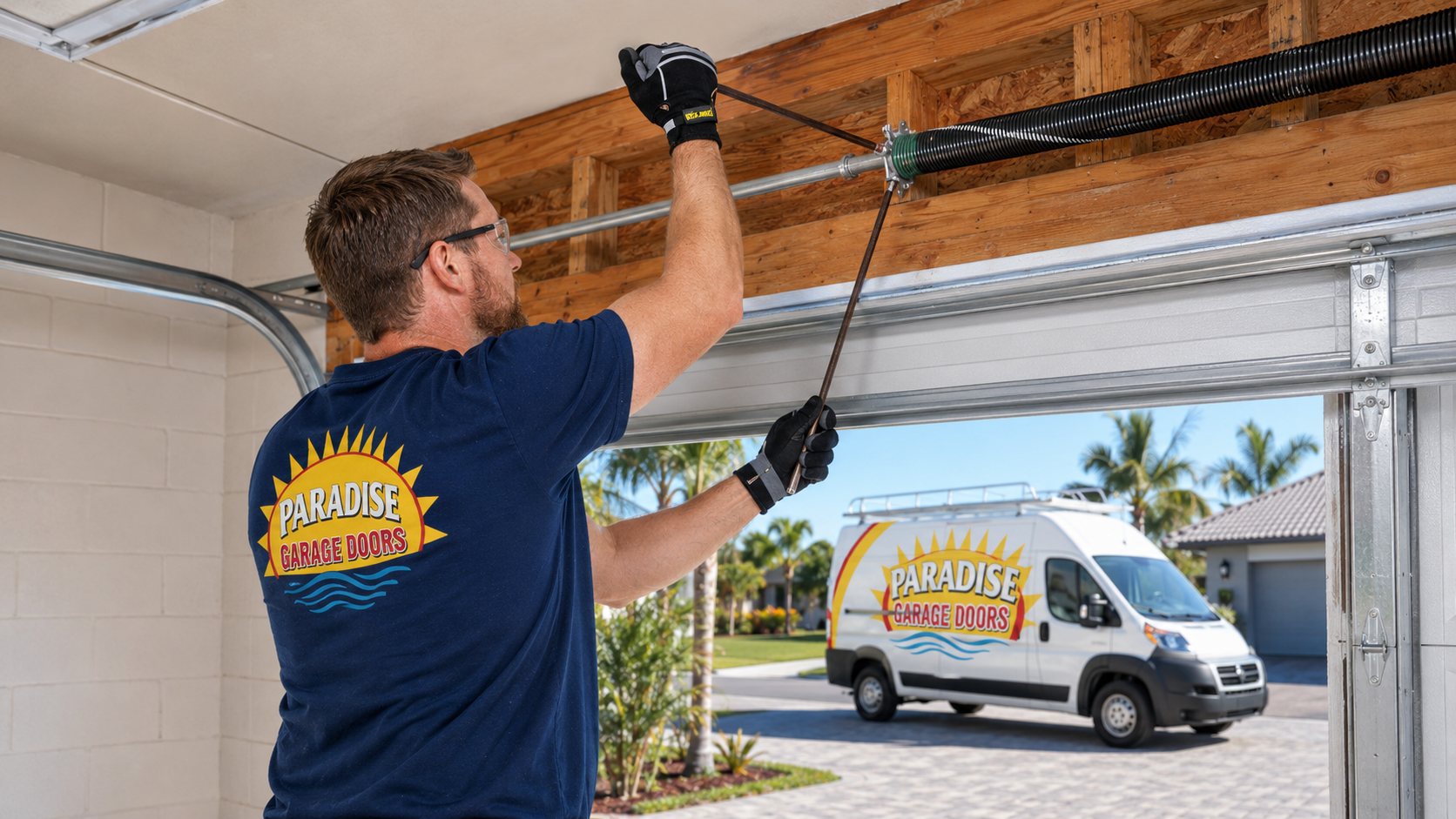
Look at the Cables (Don't Touch)
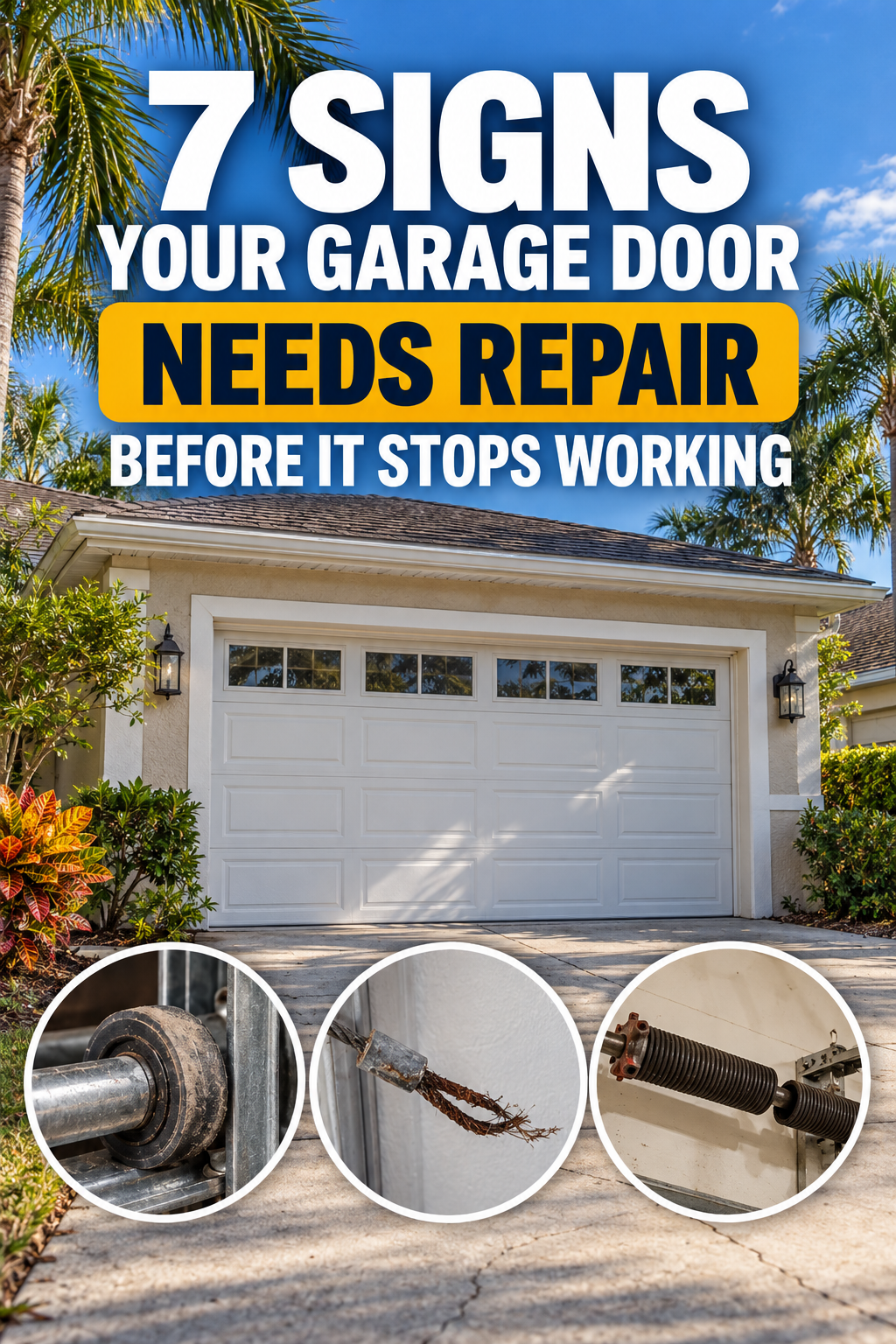
Check for fraying, rust or slack from a safe distance.
Never touch, pull or adjust cables. They're connected to springs under high tension.
Check the Rollers and Hinges
Look for cracked, worn or rusty rollers and loose or damaged hinges.
Rollers wear out over time and are normal replacement parts. If they look rough or the door is noisy, a technician can swap them out.
Inspect the Bottom Weather Seal
The rubber seal along the bottom of the door keeps out water, bugs and debris, and Florida heat can make it brittle.
Look for cracks, gaps, flattening or pieces missing. A worn seal is an easy, inexpensive fix that helps keep your garage drier during summer storms.
Rinse Off Salt and Dirt
Washing your door with mild soap and water helps remove salt and grime that speed up rust.
This is especially important for coastal homes. Check your door manufacturer's care guidelines for the right products and schedule.
Before Hurricane Season (June 1)
Make sure your door is in good working order and ready for high winds before storm season starts.
- Check for rust, damage or loose hardware.
- Make sure your door is wind-rated for your area. Look for a wind-load label, usually on the inside of the door or the track.
- Ask about bracing or reinforcement options if your door isn't wind-rated.
- Know how to use the emergency release cord in case of a power outage.
What Not to Do
Don't Lubricate Everything
More lubricant isn't better. Some parts need the right garage door lubricant; others shouldn't be coated at all.
Keep lubricant out of the tracks. They should stay clean so the rollers can roll smoothly. Grease in the tracks collects dirt and can make the door run worse.
Don't Adjust Springs, Cables or Bottom Brackets
These parts are under extreme tension and can cause serious injury. Leave them to a trained technician.
Once a Year: Schedule Professional Maintenance
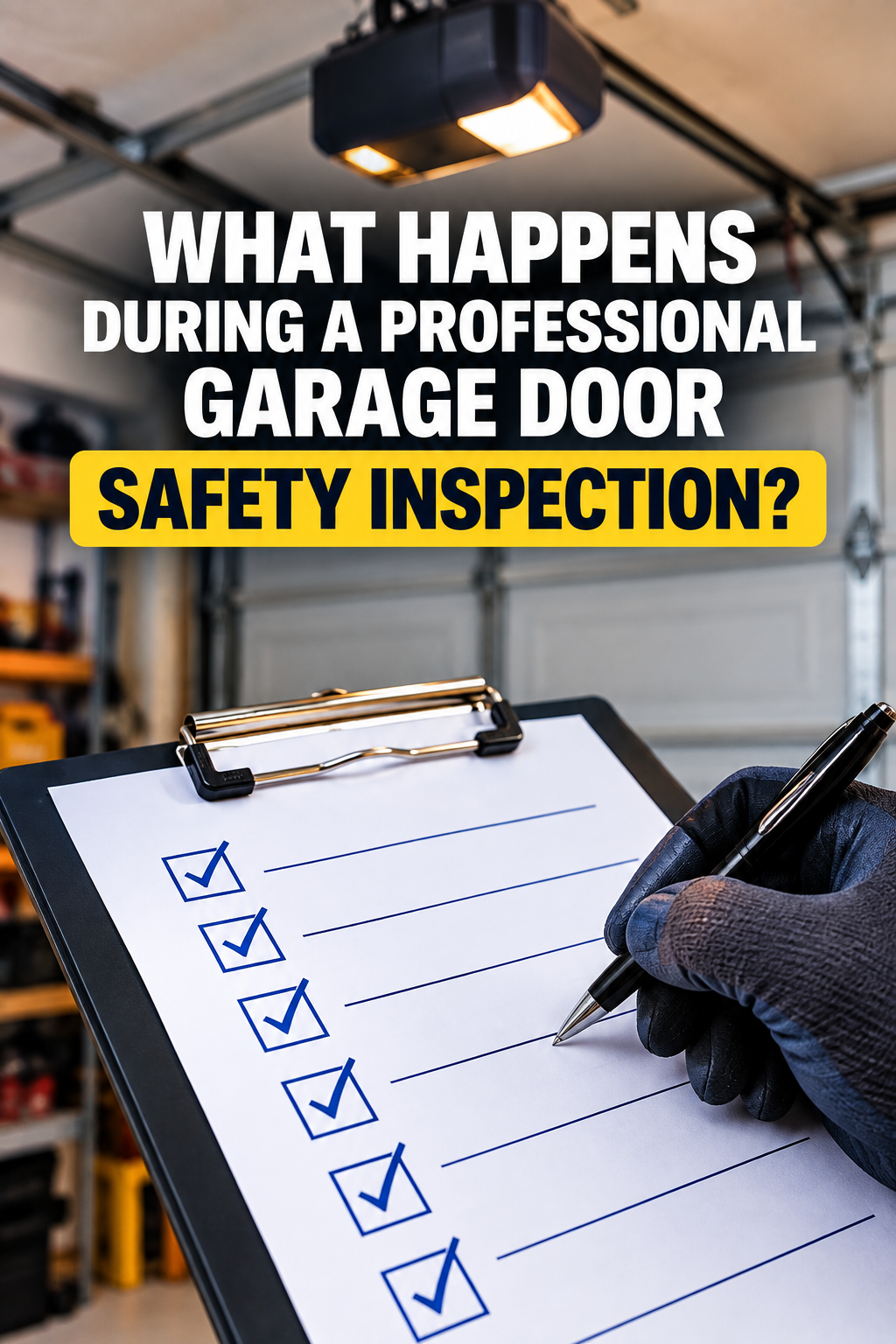
A yearly professional tune-up is the best way to catch hidden problems early.
Homeowner checks are helpful, but they don't replace a professional inspection. A technician can check and adjust:
- Spring condition and door balance
- Cables, drums and bottom brackets
- Rollers, hinges and tracks
- Hardware tightness
- Proper lubrication of the right parts
- Opener operation, safety sensors and auto-reverse
Florida Garage Door Maintenance Checklist at a Glance
How oftenWhat to doMonthlyWatch the door run, listen for new noises, test sensors and auto-reverseEvery few monthsLook at cables, rollers and hinges; check bottom seal; rinse off salt and dirtBefore June 1Hurricane prep: check for damage, confirm wind rating, know the emergency releaseYearlyProfessional tune-up and safety inspectionAnytimeCall a pro for loud bangs, crooked doors, frayed cables or a door that won't open
Garage Door Maintenance in Brevard, Indian River and St. Lucie Counties
Paradise Garage Doors has served Florida homeowners since 1996, providing professional garage door maintenance and repair throughout the Space Coast and Treasure Coast.
Due for a tune-up? Schedule maintenance or call and keep your door ready for whatever Florida throws at it.
Frequently Asked Questions
How often should a garage door be serviced in Florida?
A professional tune-up once a year is a good rule of thumb. Homes near the coast may benefit from more frequent checks because of salt air.
What does garage door maintenance include?
A professional visit usually includes checking springs, balance, cables, rollers, tracks and hardware, lubricating the right parts, and testing the opener and safety features.
How do I protect my garage door from salt air?
Rinse the door with mild soap and water regularly, watch for rust on metal parts and schedule yearly maintenance. Follow your manufacturer's care guidelines.
Should I lubricate my garage door tracks?
No. Tracks should be kept clean, not greased. Lubricant in the tracks collects dirt and can make the door run worse.
How do I test my garage door's auto-reverse?
Lay a 2x4 flat in the door's path and close the door. It should reverse when it touches the board. If it doesn't, have it serviced.
How do I prepare my garage door for hurricane season?
Check for damage and rust, confirm your door is wind-rated for your area, ask about reinforcement if it isn't, and know how to use the emergency release.


Share On: